
What’s the difference between animal and vegetable proteins & which is more usable, efficient or healthier?
 Even though animal protein is “more complete” than many vegetable proteins, it does not automatically make it better. For example, beef contains about 20% usable protein. Spirulina and chlorella, on the other hand, average 75-80% usable protein — and these vegan options are complete and bioavailable, but are normally offered in small amounts and can be expensive. Combine the right yellow pea and rice protein and you can hit numbers approaching 85-90% usable bio-available protein (as long as it is not hexane-extracted.)
The primary difference between animal and plant proteins is their amino acid profiles, which decide our ability to absorb them. Typically animal based proteins are more similar to human proteins, and may be used more rapidly than plant proteins, however that doesn’t mean they will be efficiently used. When we combine different types of plant proteins, we can get a response rate equivalent to animal proteins.


Typically those who eat ONLY plant-based proteins are deficient in B-12, calcium, iron, zinc, sulfur, the long-chain fatty acids EPA & DHA, and fat-soluble vitamins like A & D. They often have low bone density and elevated homocysteine levels. (This is a protein that when high can cause heart disease and stroke and other problems. It becomes high when there is a lack of B-vitamins, typical in a vegetarian/vegan diet.)
That being said, many meat eaters typically eat 4 times the amount of protein their body can use, causing other dangers. See my blog on how much Protein you should eat in a day here.
But beyond bioavailability, we also need to consider factors such as allergies and digestive problems such as gas, bloating, and constipation. In truth, it doesn’t matter how “good” a protein is if you can’t eat it. So listen to your body. My biggest problem with certain diets is that they suggest that they are good for “all” people, when every body is different. Muscle testing can help you to discover what may be good or bad for you.
The nine essential amino acids cannot be manufactured by the body and must be supplied by the food we eat. Most animal proteins, by definition, contain all of the essential amino acids in sufficient amounts. The protein of most beans, and vegetables may contain all the essential amino acids, but the amounts in these plant foods is often less than ideal. Deficiencies can be overcome by combining foods.
It’s important to note, that almost all foods have protein. Not only do your nuts, seeds, legumes, and animal products have protein, but so do your grains, vegetables, and fruits. If you eat a largely plant based diet and count on these foods to provide you with the protein you need, focus on eating a variety of foods at each meal. Pairing different plant based products together you are more apt to making a typically incomplete protein meal more complete.
My suggestion is to take the nutritional typing test to see if you are Protein type, Carb type or Mixed type. I suggest for anyone who craves any type of meat to eat it, without overdoing it, as explained my blog about how much meat to eat per day.
With that in mind, let’s take a look at the primary sources of protein and their pros and cons.
Animal Versus Vegetable Protein:
Meat Protein
 When most people think protein, they think beef.
On the plus side, meat protein is complete. It contains all the essential amino acids. And it’s not particularly allergenic. On the other hand, it’s not particularly concentrated — containing only about 20% usable protein by weight. And meat protein is not particularly nutrient dense, inflicting a significant number of calories on your body along with the protein. It may also promote certain cancers such as colon — particularly if grilled at high temperatures.
You absolutely want to choose organic, pastured or grass-fed beef, otherwise it also will have high levels of antibiotics, pesticides, hormones, an unhealthy ratio of Omega-6 to Omega-3 fatty acids, and the risk of E. coli contamination. Most meat eaters may be unaware that more than 70% of all beef and chicken in the United States, Canada and other countries is being treated with poisonous carbon monoxide gas. It can make seriously decayed meat look fresh for weeks.
You’ll get about 23 grams of protein in a three ounce serving of beef, along with about 15 grams of fat. The biological value is about 70, and the net protein utilization is about 73
(The Biological Value (BV) is a scale of measurement used to determine what percentage of a given nutrient source is utilized by the body.The net protein utilization, or NPU, is the ratio of amino acid converted to proteins to the ratio of amino acids supplied.)
Poultry Protein
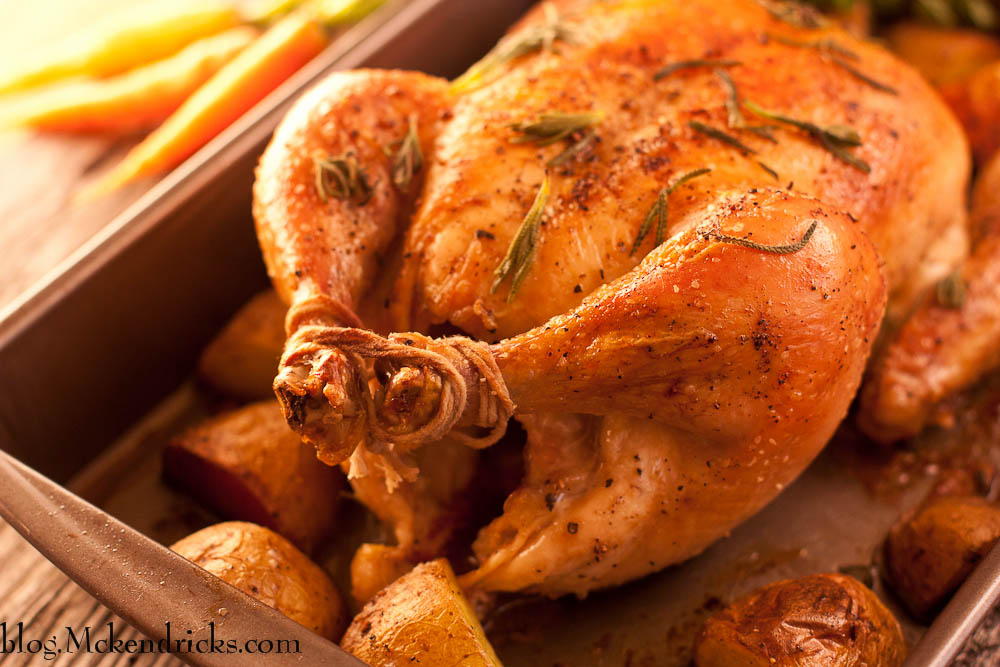 Chicken and turkey are considered the “lighter,” “less expensive” alternatives to beef. And in fact, lean turkey or chicken, without the skin, will provide about 27 grams of protein in a three ounce serving, along with about 2-3 grams of fat. Poultry has a biological value of about 80. Go for Organic, pastured or free-range chicken.
(Non-organic chicken also contains large amounts of antibiotics, hormones, arsenic (oh yes, it’s a government approved additive), and of course chicken leukosis cancer tumors.)
Fish Protein
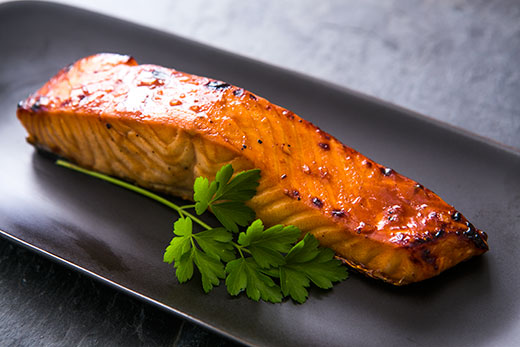 Fish is a good high protein food and the healthy fat and protein are about equal (5 grams of each in a 3 ounce serving), the fats tend to be highly beneficial Omega-3 fatty acids. Depending on the type of fish, its biological value ranges from 70-80, and it has a net protein utilization of 81, about the same as that found in poultry.
(Unfortunately, if wild caught, it’s likely to have high levels of mercury, and if farm-raised, high levels of antibiotics and dioxin and low nutrient value.)
For this reason, I only eat wild Alaskan Salmon and supplement with omega 3’s from fermented cod liver oil.
Pork Protein
I rarely if ever eat pork simply because currently Pastured or “free range pork” is extremely rare and difficult to find. (see my blog on grass fed beef for more info) Virtually all of the pork available in the United States comes from animal factories that are inherently cruel, literally driving the animals mad in response to their “living” conditions. If you can find pastured organic pork, it has a similar profile to beef with slightly higher fat content.
Milk Protein
According to the FDA, symptoms of lactose intolerance include gas, stomach cramps, diarrhea, etc. However, others are also allergic to dairy products (lactose intolerance is not technically an allergy), specifically the proteins found in milk. In any case, these poorly digested bovine antigens like casein become “allergens” in allergic individuals. Dairy products are one of the leading causes of food allergies, often revealed by diarrhea, constipation, and fatigue. Many cases of asthma and sinus infections are reported to be relieved and even eliminated by completely cutting out pasteurized dairy. The exclusion of dairy in your diet, however, must be 100% to see any real benefit. An 8 oz glass of milk will provide 8-9 grams of protein and 5-10 grams of fat. It has biological value of 80-90 and a net protein utilization of about 81.
Whey Protein
When it comes to protein supplementation now, whey is king. It has pushed aside milk based protein supplements, egg proteins, and soy proteins to totally dominate the field. Why? Quite simply is has an extremely high biological value ranging from 90-100 for whey concentrate. It’s also high in the branch chain amino acids and is quickly absorbed by the human body.
Unfortunately, it’s also allergenic to those with lactose or casein issues (a major allergen in milk) since they are both either removed or at significantly reduced levels in whey. However, the main protein fractions in whey (beta-lactoglobulin, alpha-lactalbumin, and bovine serum albumin) are all also allergenic.
I recommend making they whey with kefir and you can see my video on that here. If not I would recommend an organic grass-fed whey such as these (click image):


Egg Protein
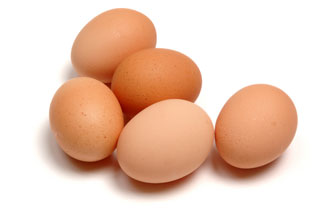 At one time, before sophisticated whey processing emerged, eggs were considered the optimum protein supplement. In fact, the whole biological value scale is based on egg protein ranking a benchmark 100. However, eggs are arguably the most allergenic of all proteins. Oh, and for those of you who eat only egg whites, it should be noted that the allergenic proteins are concentrated in the egg whites and most of the nutrients are found in the yolks. The myth that eggs will increase your cholesterol is dismissed in my blog on eggs. This is based on organic and pastured or free-range eggs.
Egg Whites Versus Whole Eggs
Whole eggs are also much more nutrient dense than egg whites since egg yolks contain all of the vitamins, minerals, antioxidants, and Omega-3 fatty acids (if you’re eating free range chicken eggs). In fact, other than protein, egg whites are pretty much nutrient dead. And as for cholesterol concerns, recent studies do not support them. Everything you need to know about eggs can be found in my blog here. (My suggestion is to eat organic pastured eggs raw as mentioned in the blog)
Soy Protein
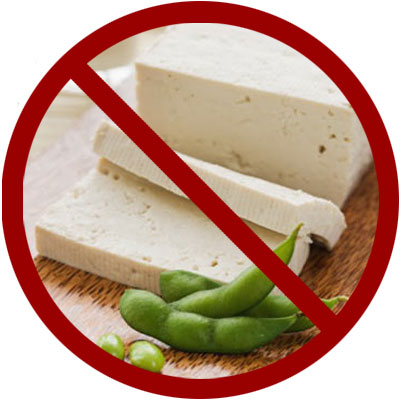 Soy protein is not an effective alternative. It is high in allergens (some 28 different proteins present in soy have been found to bind to IgE antibodies). It’s also worth noting that the more soy protein you eat, the more likely you are to develop allergies to it — and the more severe those allergies are likely to become. Soy also blocks the absorption of important minerals such as calcium unless the phytates have been removed, and soy contains high levels of phytoestrogens, which although beneficial in moderate amounts, can be counter-productive in large amounts — particularly for children.
In addition, although its biological value is not bad at 70-80, it’s net protein utilization at 61 is quite low. In fact, unless it has been fermented, soy protein contains potent enzyme inhibitors that block the action of trypsin and other enzymes needed for protein digestion. This can create significant amounts of gas, in addition to promoting pathological conditions of the pancreas, including cancer. As a side note, soy protein was once considered a waste product of the soy oil industry and used almost exclusively as cattle feed.
Soy Lecithin has been lingering around our food supply for over a century. It is an ingredient in literally hundreds of processed foods, and also sold as an over the counter health food supplement. Scientists claim it benefits our cardiovascular health, metabolism, memory, cognitive function, liver function, and even physical and athletic performance. However, most people don’t realize what soy lecithin actually is, and why the dangers of ingesting this additive far exceed its benefits.
To be clear, soy is in no way good for you and never was, despite clever marketing schemes. The only soy that should be considered is fermented soy or Natto which is actually healthy and high in vitamin K2 and probiotics.
Chlorella Protein

(click image for purchase)
Chlorella is almost 60% protein, a complete protein, and has incredible detoxing qualities as well as many vitamins and other nutrients. Problem is you don’t eat this is large quantities but rather small tablets throughout the day. I like it a lot for a mercury detox. Although it looks similar, chlorella is an entirely separate plant from spirulina and blue green algae. In fact, it belongs to an entirely different kingdom and phylum.
Hemp Seed Protein
 Hemp seed protein has some unique features. First, 65% of the total protein content of hemp seed comes from the globular protein edestin, which is easily digested, absorbed, and utilized by the human body. As a side note, it closely resembles the globulin found in human blood plasma, which is vital to maintaining a healthy immune system. As such, edestin has the unique ability to stimulate the manufacture of antibodies against foreign invaders. It is also hypoallergenic.
As a complete food, hemp seed is great, one of the super foods, but as a protein supplement, less so. As straight ground hemp seed, it is only about 30% protein. Even in concentrated form it will only push to around 50% protein. Also, although the proteins in hemp (edestin and albumin) are great immune builders, they are less effective as muscle builders.
Like other oil seeds, the hemp nut consists mainly of oil (typically 44%), protein (33%) and dietary fiber and other carbohydrates (12%, predominantly from residues of the hull). In addition, the nut contains vitamins (particularly the tocopherols and tocotrienols of the Vitamin E complex), phytosterols and trace minerals. Overall, hemp’s main nutritional advantage over other seeds lies in the composition of its oil, i.e. its fatty acid profile, and in its protein which contains all of the essential amino acids in nutritionally significant amounts and in a desirable ratio.
Buckwheat, millet, beans, etc.
Yes, a number of grains and beans are technically complete proteins and can serve as a foundational protein for vegetarian diets. However, they tend to be unbalanced in their amino acid ratios. This means that you have to eat them in proper combinations — and you have to eat more of them than of animal proteins to obtain an equivalent value.
They are great for what they are (foundational foods), but they are not adequate for use as a “protein supplement” as required by athletes, people looking to lose weight, senior citizens, or people looking to recover from a prolonged illness. To build muscle mass, you need a more concentrated source of protein and a better mix of branch chain amino acids.
Despite their marketing conventional cereals are filled with soy and wheat which have been largely modified from their ancient and original forms. Consequently, the digestibility for many cereals is poor and health consequences are detrimental. Using amaranth, millet or buckwheat flour to replace traditional flours can lower the glycemic response in breakfast cereals.
Cyanobacteria protein: spirulina and blue green algae


Spirulina is one of the great super foods. It is approximately 65 to 71 percent complete protein in its natural state. This is higher than virtually any other unprocessed food. (Note: whey protein, for example, has to be extracted and concentrated from dairy to reach higher levels.) And unlike most other forms of protein, the protein in spirulina is 85-95% digestible; again, one of the highest levels available. And finally, since spirulina has no cellulose in its cell walls, it is extremely easy for the body to break it down. In fact, its amino acids are delivered to the body for almost instant absorption.
The problem with Spirulina is that it’s expensive. Klamath Lake blue green algae (a close cousin of spirulina — they’re both cyanobacteria) runs $40-80 a lb. Generic spirulina runs $15-40 a lb.
In small amounts, 1-4 grams a day in capsule form, it’s easy enough to take. But if you’re an athlete or bodybuilder or someone looking to recover from injury or illness and looking for 70-200 mg a day of protein, eating that much seaweed and grass could be tough for most people to manage.
And finally, about 30% of the worlds’ population can’t handle spirulina — being either allergic to it, or suffering from toxins present in the spirulina that may have been absorbed from the water in which the spirulina is grown. (This is particularly a problem with algae grown in public bodies of water such as Klamath Lake, which are boating lakes.)
Rice And Yellow Pea Protein
Rice Protein
Standard cooked rice has a protein content of only 5%-7%. To make concentrated rice protein, whole brown rice is ground into flour, then mixed with water. Natural enzymes are then added sequentially to break down and separate out the carbohydrates and fibers from the protein. Since the process is enzyme based, temperature must be kept low to preserve the enzyme activity levels. Low temperature and chemical free processing prevent the denaturing of amino acids, as is frequently seen in soy and dairy processing. The end product is 80-90% pure, hypoallergenic, easily digested protein. After four hours, the body digests over 86% of all ingested rice protein, compared with about 57% for soy. In the end, rice protein has a biological value of between 70-80, a net protein utilization of about 76, and a total absorption ration of some 98%.
Note: rice protein is high in the amino acids cysteine and methionine, but tends to be low in lysine, which negatively impacts its bioavailability. If you can raise its lysine levels, you can dramatically increase its bioavailability.
Pea Protein
Pea protein is the concentrated natural protein fraction of yellow peas. The process used for concentrating pea protein is water based, making the end product very “natural.”
The Beneficial Combination of Rice and Pea Proteins As mentioned above, rice protein is high in cysteine and methionine, but tends to be low in lysine. Yellow pea protein, on the other hand, tends to be low in the sulfur containing amino acids, cysteine and methionine — but high in lysine. The bottom line is that when used in combination, rice protein and yellow pea protein offer a Protein Efficiency Ratio that begins to rival dairy and egg — but without their potential to promote allergic reactions. In addition, the texture of pea protein helps smooth out the “chalkiness” of rice protein. Like rice protein, it is hypoallergenic and easily digested.


